
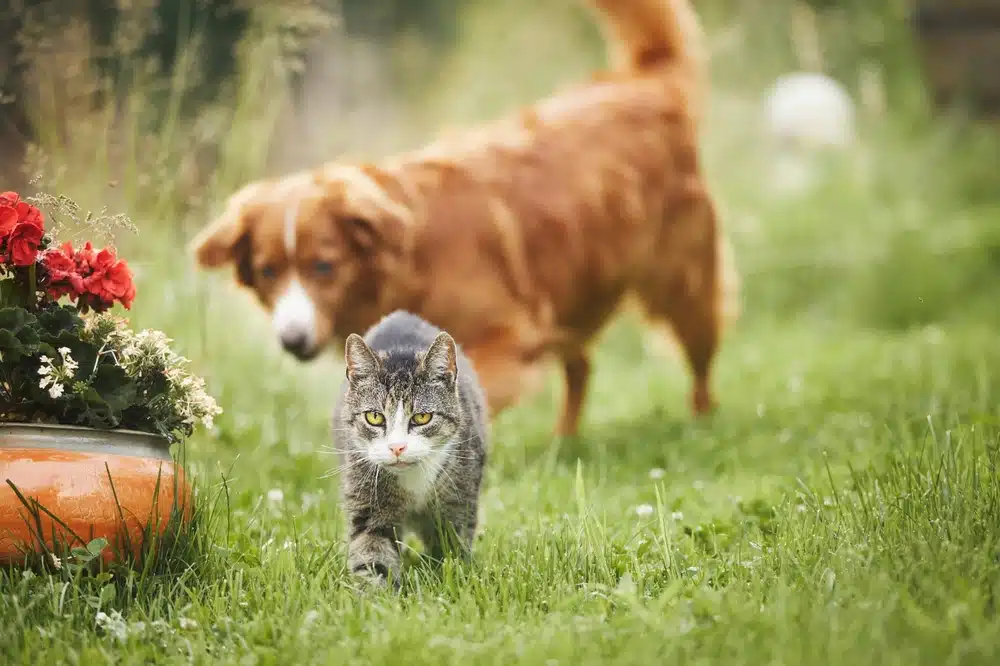
With over 24,000 species of plants native to Australia, it’s no surprise we’re a nation of greenery-lovers. Things may look rosy for those with green thumbs, but not so for animals who discover common plants that are toxic to pets.
In this article
What common plants are toxic to pets?
Before you shop for your next Pinterest-worthy plant, take a moment to check out something really important: whether your favourite plant could be toxic to pets. Some plants that have no harmful effects on humans, or are even eaten on purpose, can be deadly to the furry family members.
Here are some of the most common ones.
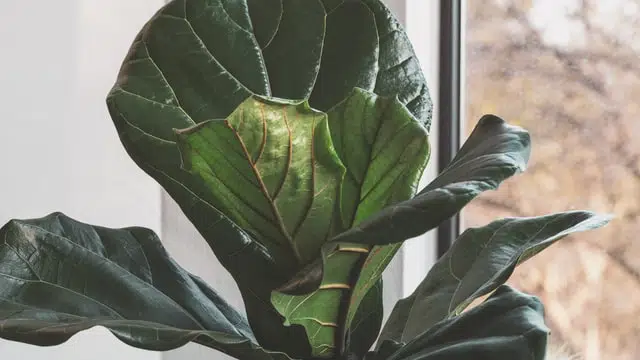
Fiddle Leaf Fig (Ficus Lyrata)
The Fiddle Leaf Fig is the social media star of the plant world. So much so that the New York Times called it the “it” plant of the design world. This plant can grow to a whopping 12 metres high, assuming you have a really, really tall house.
It’s undoubtedly beautiful, boasting fiddle-shaped leaves and a vibrant green colour. Unfortunately, it’s one of those plants that are toxic to pets. So, no matter how Manhattan it looks in your place, it’s best to remove it.
Toxicity signs to look out for in your pet are:
- Drooling
- Vomiting
- Gastrointestinal irritation like diarrhea
- Oral irritation
- Skin irritation
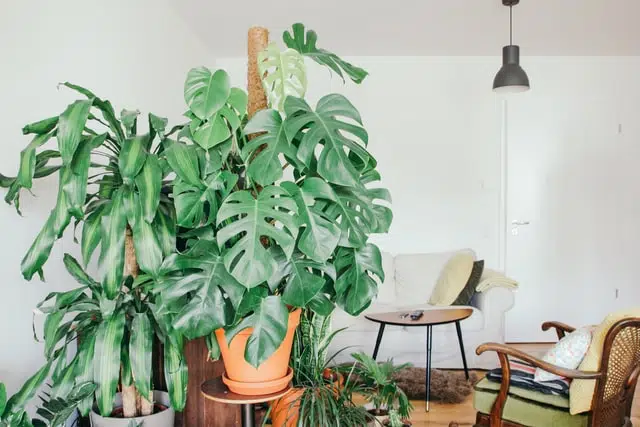
Monstera Deliciosa (fruit salad plant)
This is a lovely foliage plant commonly found in gardens. It’s also considered an environmental weed in New South Wales and is easy to spot in coastal areas.
Weed or not, it’s very pretty! Monstera Deliciosa looks decidedly tropical, with giant green leaves. Mature plants also carry fruit.
But these popular plants contain insoluble calcium oxalates that are mildly toxic to humans and highly toxic to dogs and cats.
Toxicity signs to look out for include:
- Difficulty swallowing
- Swelling of the mouth or throat
- Drooling
- Vomiting
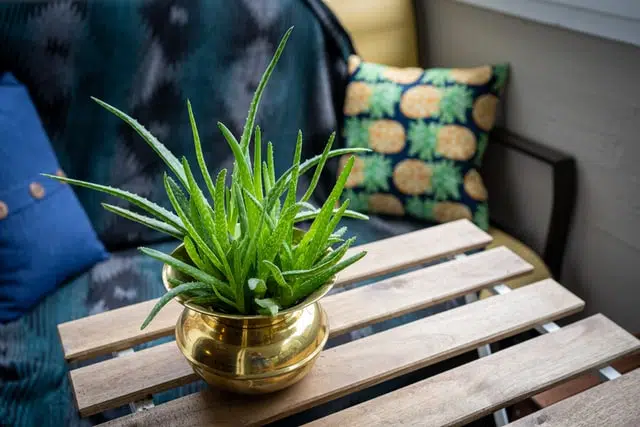
Aloe Vera
Aloe Vera is often touted as a wonder product for humans, with the gel used topically for burns, eczema, and other skin conditions. Plus, the juice is used in products and drinks designed to promote better hydration and other health benefits.
Despite this, it can be poisonous to both cats and dogs.
Toxicity signs to look out for are:
- Vomiting
- Diarrhea
- Lethargy
- Depression
- Anorexia
- Tremors
- Change in urine colour
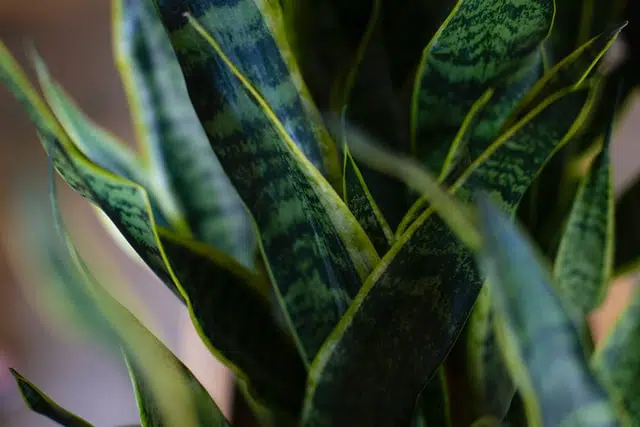
Snake Plant (Sanseveria)
Snake Plant (also known as Mother in Law’s Tongue) is a very popular home and office plant. They’re easy to care for, look pretty cool especially as they grow bigger, and can actually help filter your air. Because of this, they’re sometimes recommended for people with allergies.
However, it’s another of those human-friendly plants that are toxic to pets. Why? Snake Plant contains a toxin called Saponins. If your cat or dog ingests this, it’ll have gastrointestinal effects.
Toxicity signs to look out for:
- Drooling
- Nausea
- Vomiting
- Diarrhea
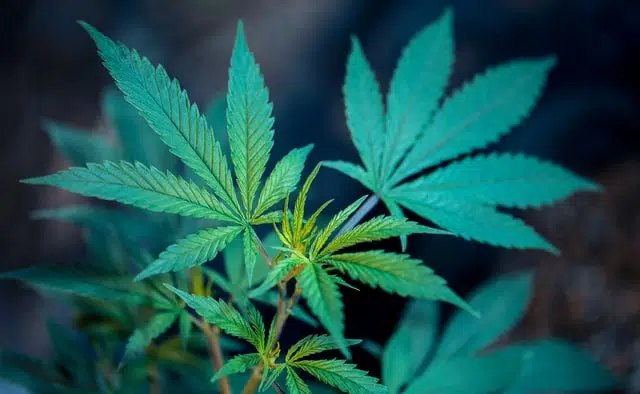
Cannabis (Marijuana)
Cannabis toxicity in pets is unfortunately on the rise. While the effects of CBD (one of the compounds in cannabis) is being studied for medicinal use in animals, your furkids shouldn’t be able to access cannabis plants.
Nor should you be growing them, as it’s illegal in Australia.
And although some people might think this could be a humorous situation – it’s not. Toxicity signs to look out for include:
- Incoordination
- Tremors
- Drooling
- Seizures
- Respiratory problems
- Depression
- Coma
More plants that are toxic to pets
The few plants mentioned above are just some plants to avoid. There are plenty of other common house and garden plants which are toxic to pets. They can range in severity from being mildly toxic to highly poisonous.
Those to consider avoiding include:
- Lillies
- Ivy
- Sago Palms
- Chinese Evergreen
- Tulips
- Rhododendron
- Hydrangea
- Chrysanthemum
- Cycads
- Brunfelsia (Yesterday-Today-Tomorrow)
Please note the list above isn’t exhaustive. If you’re a green-fingered garden lover with pets, seek the advice of a vet or nursery expert. If you can’t bear to get rid of your plants, make sure they’re securely fenced or kept in a place inaccessible to pets.
Read about more things that can poison your pet here, as well as the why and how of chocolate toxicity in dogs and cats.

What to do when your pet eats toxic plants
Ingesting a toxic plant won’t necessarily be deadly for your pet, but it can be. It’s crucial that you act quickly. As your pet metabolises the toxin, their condition can worsen very quickly.
What to do:
- Stay calm
- Call your vet’s emergency number. If you can’t get through, go to the vet in person
- Take a sample or photo of the plant to show the vet
- Make a note of any symptoms and the timeframe in which they’ve developed
What not to do when your pet eats toxic plants
If you think or know your pet has come into contact with a toxic plant, here’s what not to do:
- Don’t induce vomiting unless instructed by the vet
- Don’t put off a trip to the vet to “see how they are” as toxicity cases can deteriorate quickly
If you act quickly, decisively, and calmly, your pet has a much better chance of making a full recovery.
Pet insurance can make all the difference
Worried about vet bills for potential plant toxicity or other accidents and illnesses? Enjoy stress-free cuddles with your cat or dog by taking out pet insurance.
Choosing pet insurance is like having a super soft landing under your fur baby wherever they go and whatever they’re doing. It gives you the peace of mind knowing you won’t have to make a head-over-heart decision on vet costs.
It means saying ‘yes’ to vet treatments your pet needs, rather than scrolling through your bank balance trying to make ends meet.
With PD Insurance you get 1 MONTH FREE* when you sign up, PLUS if you’re with another pet insurer but want to make the leap, we’ll contribute to any switching fees they charge you.
Click below to start your quote.