

Have you ever wondered just how long your car tyres are supposed to last? Or maybe you’re pondering whether your insurance will help foot the bill when it’s time to replace them?
In this article, we’ll dive into the typical lifespan of car tyres, tell you how to check your tyre tread, explain how your driving habits could be cutting their life short, and break down if insurance might cover those costly replacements. We also answer another question we’re pretty sure everyone asks at some point in their car ownership journey – why are car tyres so expensive?
In this article
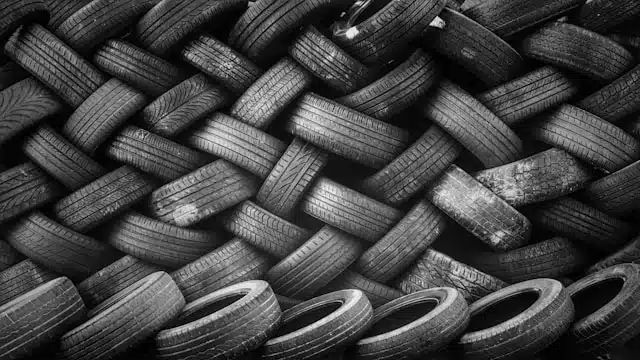
So … how long should car tyres last?
The lifespan of car tyres depends on its design, the quality of the material, the type of car, driving habits, road conditions, and regular maintenance. Here are some general guidelines:
- Mileage. On average, tires are designed to last anywhere from 40,000 to 80,000km. Some high-performance tires may have a shorter lifespan, while certain long-life tires can exceed 95,000km under ideal conditions.
- Age. Even if a tyre is not worn out, it’s generally recommended to replace tires every 6 to 10 years. The rubber compounds in a tire deteriorate over time, regardless of use, which can lead to a decrease in performance and safety.
- Driving conditions. Tyres will wear faster if you frequently drive on rough roads, in extreme climates, or in areas requiring lots of stopping and starting.
- Maintenance. Regular maintenance like rotating your tyres every 8,000 to 11,000km, maintaining proper tire pressure, and ensuring your vehicle’s alignment is correct can significantly extend the life of your tires.
How do I know my tyres are worn out?
In Australia, the legal minimum tyre tread depth is 1.5 millimeters across the central three-quarters of the tread pattern and around the entire tyre circumference.
You can check your tread using a 20c coin. Simply stick the coin into the tread of your tyre. If the outer band of the coin is covered by the tread, that’s good. It means you’ve got more than 3mm of tread left, which is safe. If you can see all of the outer band on the coin, your tyres might be getting bald. This means it’s time to consider getting new ones.
Also note that tyres often have these little bars between the treads that show wear. If these bars are flush with the tyre’s tread, then your tyre is too worn. And while you’re down there, have a look for any cracks, bulges, or signs of wear that could cause trouble.
How can I make my tyres last longer?
Here’s how to increase your tyre lifespan:
- Check pressure regularly: Keep your tyres inflated to the recommended tyre pressure. Under or over-inflated tyres wear out faster.
- Rotate tyres: Swap the front tyres with the back ones regularly, usually every 5,000 to 8,000 kilometres. This helps them wear evenly.
- Drive smoothly: Avoid fast starts, sudden stops, and sharp turns. Smooth driving reduces wear.
- Align and balance. Get your tyres aligned and balanced if your car starts to shake or if it doesn’t drive straight. This prevents uneven wear. Check out our car wheel alignment guide – here.
- Avoid overloads: Don’t overload your car. Heavy loads can cause tyres to wear out quicker and decrease tyre lifespan.
- Check for damage: Look for cuts, bumps, or objects like nails in your tyres and tackle issues quickly.
Does insurance cover replacing tyres?
Insurance typically doesn’t cover the cost of replacing tyres due to normal wear and tear. However, there are a few situations where tyre replacement might be covered:
- Comprehensive coverage. If your tyres are damaged due to vandalism, theft, or a non-driving related incident, comprehensive coverage may pay for the replacement.
- Road hazard warranties. Some tyres come with or you can purchase a road hazard warranty separately, which covers damages from potholes, nails, or other road debris.
- Collision or accident. If your tyres are damaged as a direct result of a collision or car accident, they might be covered under your collision insurance policy.
Why are car tyres so expensive?
Car tyres can be quite pricey for a few reasons. First off, the materials used to make tyres, like rubber and special chemicals, aren’t cheap. Plus, the process to blend and mould these materials into tyres with a long lifespan and good performance is pretty complex.
Then you’ve got different types of tyres for different needs, like for rainy weather or off-road driving. This can add to the cost. And don’t forget, research and development to keep improving tyres costs a lot of money, which gets factored into the price.
Lastly, the big tyre brands spend a bunch on marketing and sponsorships. These costs wind up getting passed along to consumers too. So when you go to buy tyres, all these factors together make them more expensive.
Insurance for the unforeseen
Now you know a little more on how long car tyres should last, what affect tyre lifespan, and why car tyres are so blimmin’ expensive!
With all the time and money you spend on your wheels, you’ll want to make sure you’re financially protected against on and off-road mishaps. We suggest checking out comprehensive car insurance. It offers you peace of mind should your car be damaged or written off in an accident, or if you become a victim of theft.
Why not get a quick quote and see what you can save?