

When do puppies lose their teeth? If you’re asking, then you’re likely in the ‘puppy teething’ phase. You’ll likely be dismayed when your bundle of cute starts to bite and chew your prized possessions. We’ve been there. We get it. The puppy teething stage is no joke.
But if you’re well prepared for this stage, you can get through it. Maybe not unscathed, but without too many problems. Here’s how to help your pup (and your home) breeze through the puppy teething phase with minimal disruptions.
In this article
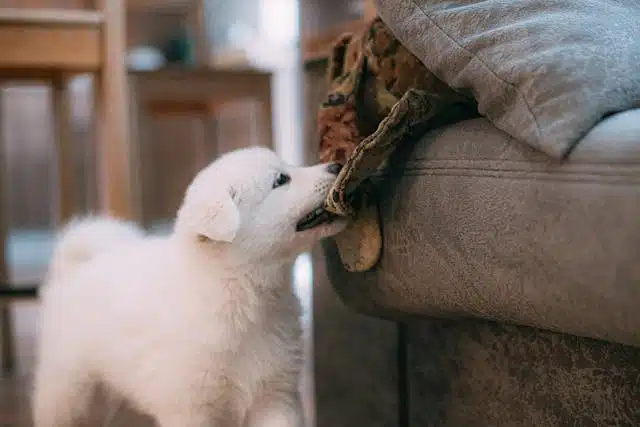
When do puppies lose their teeth?
Puppies, like humans, have “milk teeth” in that they’ll fall out and be replaced by permanent teeth as they grow. This is a good time to consider getting dog insurance because pets are young and often at their healthiest. Read about pre-existing conditions in dog insurance to find out why.
Milk teeth
The milk teeth, technically called deciduous teeth, start to show at about two weeks old. By the time your puppy is 10 weeks old, their baby teeth should be fully developed…and ready to bite things.
The last of the baby teeth to go are usually the canines, at around six months old. So, from around four to eight months, the puppy teething process is in full swing.
Needle teeth
One big difference? Puppy teeth are much sharper and more pointed than their baby teeth. So much so that they’re sometimes called needle teeth. If that doesn’t conjure up some painfully accurate imagery in your mind, we don’t know what will.
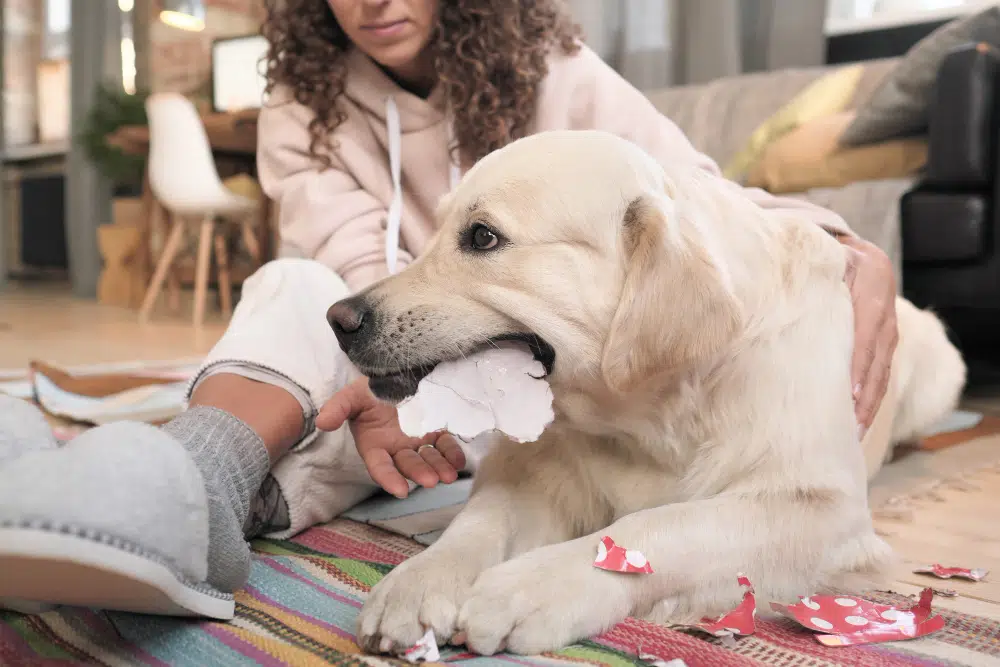
What are the signs of puppy teething?
As you might’ve guessed, one of the major signs of puppy teething being underway is the infamous “itchy teeth.” By that, what we mean is that your puppy wants to nibble, chew, and bite everything.
And we mean everything: shoes, toys, bedding, rugs, furniture, and even your fingers.
If they’re of the sneaky variety and you don’t see them doing it, you might see tooth marks or other evidence around the house. It can be frustrating, but remember your puppy is only a baby.
Third party liability in puppy insurance for teething
That said, if you happen to take your baby on holiday, to the park, or friends’ homes you might want to think about getting third party liability in pet insurance.
While pet insurance is designed mainly to help pay for unexpected pet health issues, third party liability protects you financially for damage they cause. This could be to other people, their pets, or other property – each of which can result in costly figures.
You might be happy to learn that third party liability in your pet insurance is part of all PD Insurance pet plans.

What symptoms does a puppy have when teething that require a vet visit?
Remember, teething can be uncomfortable for puppies. A little bit of blood here and there isn’t cause for alarm. But if there’s a lot of blood or your puppy seems quiet or under the weather, it’s time for a vet visit.
Your little woof might even get a little sick while they’re teething, just like human babies do. This isn’t unusual. All the added drool that your puppy ends up eating can make them poop more (and even have diarrhea). If they have an upset tummy that persists longer than 48 hours, it’s a good idea to take them for a vet visit.
5 puppy teething survival tips
To help navigate puppy teething discomfort, try these tips.
1. Out of sight, out of mind
Don’t want your valuable Jimmy Choos to become Jimmy Chews? Put them out of reach in cupboards or on shelves.
2. Provide safe chew toys to sooth puppy teething
If your puppy is teething, make sure to give them something that they’re allowed to chew on. A good chew toy should be durable, safe, and non-toxic.
It should have some give so your puppy can really sink their teeth into it, and it needs to be appropriately sized too. Check out some top options in the Dog Chew Awards.
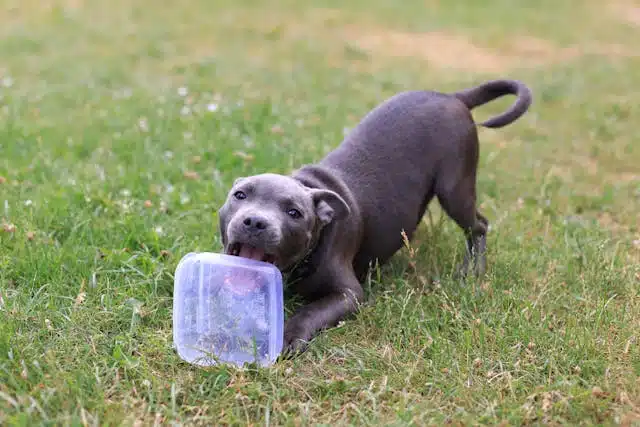
3. Deter pup from ‘naughty’ chewing
Chewing is good for dogs, so you don’t want to discourage it entirely. If your puppy chews on something that’s not allowed, firmly say no, take it away and offer a suitable chew toy instead. Remember to praise when they chew something appropriate as positive reinforcement dog training gets the best results.
If they bite or chew your hand, yelp and pull your hand away, then ignore your puppy for a bit to let them know they hurt you. Learn more tricks for how to speak dog here.
4. Stick to kibble
Kibble is often more suitable for young, developing teeth and gums than soft food. If your furbaby seems to be in pain, then you can add some drops of water to soften their food a little.
It’s especially important choosing a puppy food appropriate to age and breed. Good pet food makers factor knowing when puppies lose their teeth into their puppy food products.
Not only will the appropriate healthy pet food provide the right balance of vitamins, minerals, protein but it will also be made correctly to suit their teeth.
Here are more puppy and dog food insights:
- Dog food storage mistakes to avoid
- Why won’t my dog eat dry food – help!
- Unpacking pet food regulations in Australia
Considering feeding raw? Read our article on raw food for puppies first.
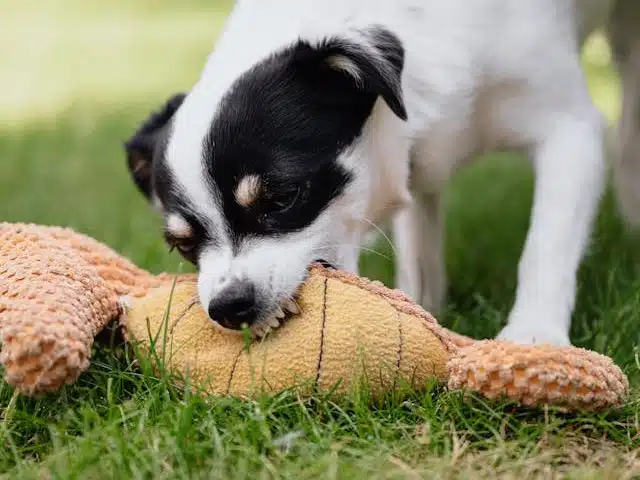
5. Puppy proof your home against teething
Of course, your teething puppy could easily outsmart all your manoeuvres. While your little one isn’t trying to ruin your best belongings, their auto-pilot need-to-chew requires some planning on your part. That’s why it’s a good idea to puppy proof your house like a pro.
Not only will you protect your teething puppy from accidental ingestion, electric shock and more but you can enjoy keeping family heirlooms from coming to a chewy end. Now that you know when puppies lose their teeth and how to keep them and your stuff safe, here’s another safeguard worth considering…
Award winning puppy insurance, an added safety net
PD Insurance’s Deluxe dog insurance plan includes dental cover, which allows you to visit the vet for several types of dental treatments without worrying about the cost.
If you feel you don’t need dental or our highest annual benefit limit, but want cover for things like accidents and illnesses, check out our other pet insurance plans.
When you sign up for PD Pet Insurance you’ll also get one or more months of FREE pet insurance. Click below to get a quote – it’s simple and easy!