
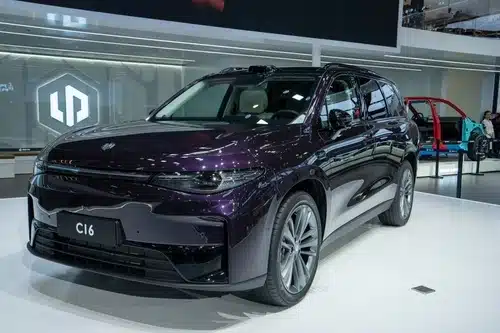
Electric cars in Australia in 2025 are hot, hot, hot. More than 50 new models have hit (or are expected to reach) our shores this year alone. If you’ve been debating electric vs petrol cars, wondering how much does it cost to charge an electric car, or been amazed by the number of new brands and models (Leapmotor … Skywell – anyone?), then read on.
In this article, PD unpacks electric car facts as they stand in 2025. This includes whether they have limited range and low performance and whether they’re really that eco-friendly. With technology moving quickly, what you think about EVs might not match the reality of electric car technology today. Let’s take a look.
In this article
Top facts: electric cars in Australia in 2025
If you’re going to invest hard-earned money into one of these vehicles, you want to ensure you’re making a sound investment. We get it. Here are the most crucial aspects to consider.
Range
One of the main expectations for electric cars is that they’ll have a limited range before needing to be recharged. The reality is that many electric cars on the market today have a range of 230–425 km on a charge, and some high-end electric cars even have ranges of over 640 km. Bear in mind that there are different types of electric cars, and each will have their own range specifications.
An EV’s range is directly linked to the size of its battery, with a smaller 40 kWh battery like that of a Nissan Leaf offering about 270 km, while the 100 kWh+ battery on a Tesla S would exceed 600 km.
Charging time
Another expectation is that electric cars take a long time to charge. The reality is that fast charging technology has improved significantly in recent years. Many electric cars can now be charged to 80% in as little as 30 minutes. That gives you time to grab a coffee or read through your emails. 😊
Cost
Electric vehicles are generally more cost-effective to drive than petrol or diesel cars. The average Australian petrol car consumes about 10.8 litres per 100 kilometres. With fuel prices averaging around $1.64 per litre, this equates to approximately 14.7 cents per kilometre.
EVs, on the other hand, typically use about 18 kilowatt-hours (kWh) per 100 kilometres. At an average electricity cost of $0.30 per kWh, this results in approximately 5.4 cents per kilometre. This shows that driving an EV can be about 63% cheaper per kilometre than a petrol vehicle.
And even though electric cars are initially more expensive to buy than petrol cars, the cost of batteries and electric drivetrains has come down in recent years. Additionally, with government incentives like electric car rebates, the total cost of ownership for electric cars can be comparable to or even less than that of petrol cars.
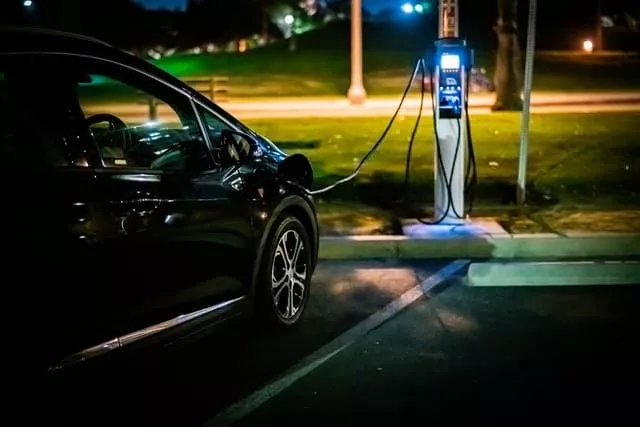
How much does it cost to charge an electric car?
The cost of charging an electric car depends on which state you live in, your energy provider and the time of day you charge it. Most people charge their EVs at home overnight, which is usually the cheapest option.
- Average electricity rate: $0.25 to $0.35 per kWh
- Typical EV battery size: 50–75 kWh
- Full charge cost:
- 50 kWh × $0.30 = $15.00
- 75 kWh × $0.30 = $22.50
⚡ Range per full charge: Usually around 350–500 km, depending on the car.
So, cost per 100 km: around $4.50–$6.50
Performance
Some people expect electric cars to be less powerful than petrol cars. The reality is electric cars offer instant torque, which is a measure of the turning power of an engine. Many electric cars can accelerate from 0 to 100 km/h in less than 4 seconds – faster than most petrol cars.
Driving experience
Some people expect the driving experience of electric vs petrol cars to be dull or lacklustre. But electric cars have a unique driving feel with smooth and quiet operation. They also have that instant torque we mentioned, which can make for a fun and engaging driving experience. Just take care not to accelerate too suddenly and keep those defensive driving skills top of mind.
Availability
Some people expect electric cars to be available only in a few models or be hard to find, but this is changing quickly. There are currently 90 pure battery EVs available in Australia, and as we mentioned earlier, more than 50 new models are expected in 2025. Many manufacturers are investing in electric cars and adding more models to their line-up to make them more widely available.
Overall, electric cars are becoming more capable, more affordable, and more widely available. This is starting to close the gap between expectations and reality. They’re becoming an increasingly viable and attractive alternative to petrol-powered cars, and more people are choosing to switch as technology continues to improve.e are choosing to switch as technology continues to improve.
Environmental impact of electric cars in Australia in 2025
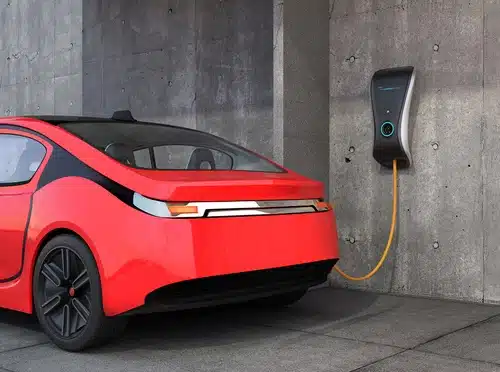
Electric cars are generally considered to be more environmentally friendly than petrol-powered vehicles, as they produce zero emissions from the tailpipe.
Yes, there’s impact
However, the expectation is that electric cars have no impact on the environment, when in fact they do. If the electricity that powers them comes from renewable sources such as solar or wind power, then they can have a very low environmental impact.
If it’s generated from non-renewable sources such as coal or natural gas, then the environmental impact may be similar or even greater. As we know, in Australia we still rely heavily on coal. While we’re comparing, here’s how petrol cars contribute to global warming.
Mining for materials
Electric car batteries also require materials that can be difficult to get, like lithium and cobalt, for example. These materials are typically mined in countries where labour regulations and environmental protections are less strict. This can result in the use of child labour and other unethical practices in the mining of these materials.
Challenges of disposal
The batteries can also be difficult to dispose of, as they contain toxic chemicals and heavy metals that can be harmful to the environment if they’re not handled properly. That’s why it’s so important that electric car batteries are recycled. This way we can recover valuable materials such as lithium, nickel, and cobalt. These materials can then be used to create new batteries or other products.
Overall, when it comes to electric vs petrol cars, electric cars have the potential to be more environmentally friendly, but we still have some way to go in advancing electric car technology to make them totally eco-friendly.
Think you’re pretty well-versed on electric cars? Check out our Electric Cars vs Petrol: Truth or Dare article to see how much you really know!
Electric cars in Australia in 2025 that are available now
The electric car market is booming, with dozens of models available for purchase in Australia. New models include the Tesla Model Y, BYD Sealion 7, Aion EV Hath, Leapmotor C16, Kia EV3, Smart #5 and Alfa Romeo Junior.
With increasing focus on green energy and reducing emissions, manufacturers are investing more in the development of EVs and they’re becoming more widely available. These were the top-selling EV models in Australia in 2024:
| Rank | Model | Units sold in 2024 |
| 1 | Tesla Model Y | 21,253 |
| 2 | Tesla Model 3 | 17,094 |
| 3 | MG 4 | 6,934 |
| 4 | BYD Seal | 6,393 |
| 5 | BYD Atto 3 | 5,751 |
| 6 | BMW iX1 | 2,618 |
| 7 | Volvo EX30 | 2,129 |
| 8 | BYD Dolphin | 2,116 |
| 9 | BMW i4 | 2,062 |
| 10 | Kia EV6 | 1,785 |
We have plenty of electric vs petrol car resources to dive into – check out just some of our resources below:
Insure your ride
So now you have a better idea of the reality of electric vs petrol cars and electric cars in Australia in 2025, including how much does it cost to charge an electric car.
Hopefully you already have a good idea about car insurance. At the time of writing, we’re offering car insurance for some makes and models of hybrid electric cars. Getting comprehensive car insurance gives you financial cover for unexpected accidents that happen on and off the road. These include but aren’t limited to events like collisions, fire, flood, hail, theft and vandalism.
Get a quote today.
Header image credit: Beijing, China – Apr 30, 2024: Leapmotor C16 electric SUV is displayed at the 17th Beijing International Automotive Exhibition (Auto China 2024). Leapmotor is a Chinese automaker owned by Stellantis. (Shutterstock)